



Lots of listings mention benzyl alcohol without saying what it actually does or why the amount matters. That vagueness can hide a poor formula or sloppy manufacturing. Bacteriostatic water relies on this one ingredient being there at exactly the right level.
Here’s how the preservative works, where its limits are, and what to check before you use it.
Section 1: What Benzyl Alcohol Does
Q: What is benzyl alcohol?
A: It’s a simple alcohol that’s been used as a preservative for decades in injections, creams, and cosmetics. Small amounts also turn up naturally in some plant oils. In bacteriostatic water, it’s added at 0.9 percent, which works out to about 9 milligrams in every millilitre.
Q: How does it stop bacteria growing?
A: It damages the outer layer of many bacteria so they can’t multiply. That’s where the name comes from: bacteriostatic means it stops growth, not that it kills everything. It won’t handle heavy contamination or spores, which is why clean technique still matters every time you draw.
Q: Why 0.9 percent and not more or less?
A: That amount is strong enough to protect a vial that gets opened over and over, but mild enough that most adults tolerate it. Less might not control bacteria properly, and more could irritate the skin. Always check that the label says 0.9 percent and carries a USP mark before you buy.
Q: Does it do anything else?
A: It has a slight numbing effect, which can take the edge off the sting of an injection. Your liver breaks it down into benzoic acid, and it leaves the body in urine. For healthy adults, the small amounts involved are cleared without any trouble.
Section 2: Safety Limits and Practical Checks
Q: Who shouldn’t use it?
A: Newborns, for a start. Back in the early 1980s, the FDA linked benzyl alcohol to a serious problem in premature babies known as gasping syndrome. People with a known sensitivity should avoid it too. If you’re pregnant or have liver problems, speak to a doctor first.
Q: Is there a daily limit?
A: The World Health Organization puts the acceptable daily intake at around 5 milligrams per kilogram of body weight. Peptide preparations usually involve only a fraction of a millilitre, so you’d normally be well under that. If you’re using larger or repeated amounts, run it past a healthcare professional.
Q: Can benzyl alcohol affect peptides?
A: It can. Some proteins and peptides clump together or break down when they meet a preservative. Most common peptides are fine with Bacteriostatic water, but not all of them. Check the peptide maker’s instructions, and if the solution goes cloudy after mixing, don’t use it.
Q: How can I tell the formula is genuine?
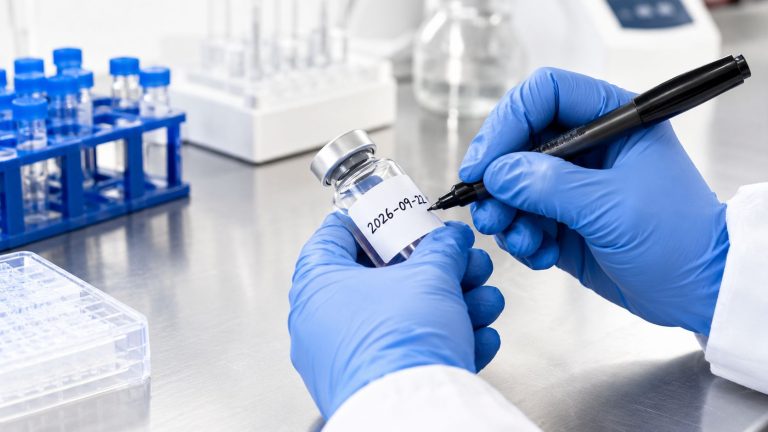
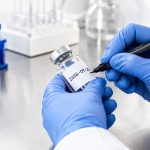
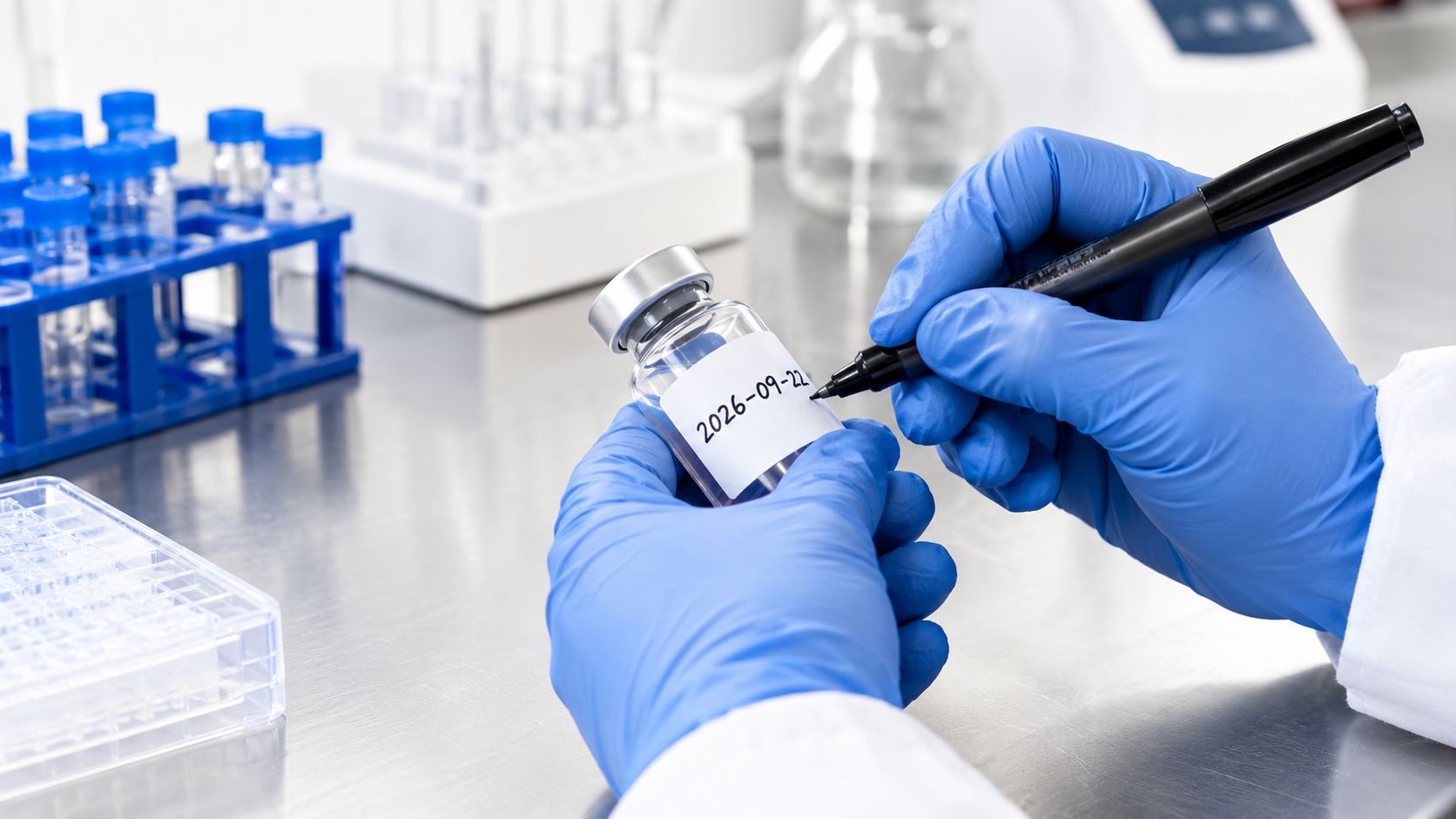
A: A trustworthy listing for Bacteriostatic water will name the manufacturer and show the lot number, expiry date, and exact preservative percentage. When your order arrives, compare those details with the vial and take photos of both. Rules vary between countries, so check what applies to you before ordering.